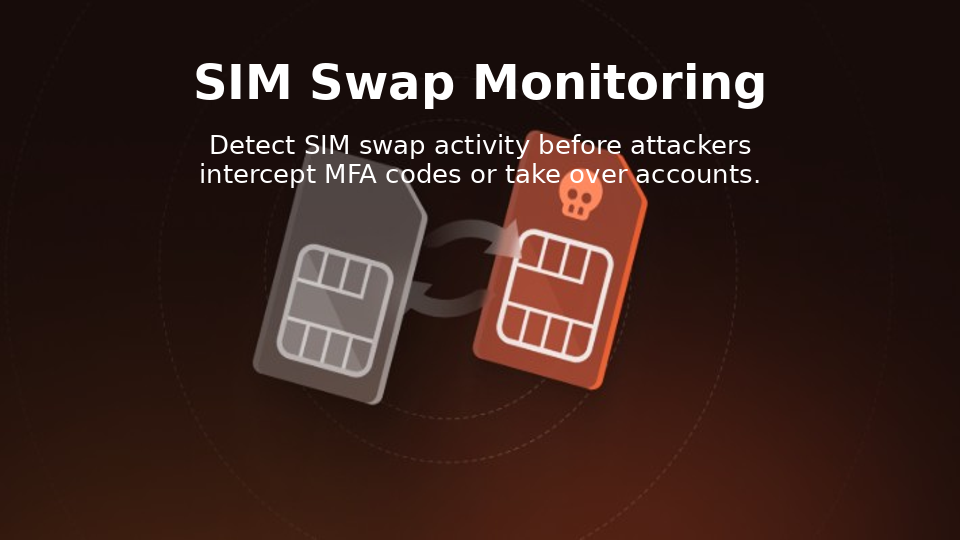
In a world where digital commerce and mobile connectivity are at the heart of everyday transactions, fraud is evolving faster than many traditional defenses can keep up. Static checks and one-time verification methods may have worked in the past, but today’s fraudsters use adaptive techniques like SIM swapping, automated bot attacks, and account takeovers that standard systems struggle to detect. To stay ahead of these threats, businesses need more intelligent, adaptive security tools that can evaluate risk in real time, streamline user experience, and block fraud before it causes damage.
That’s where risk scoring in payments and solutions like the Storage Guardian Cyber Bundle come into play offering powerful capabilities to improve fraud detection, enhance authentication, and protect both businesses and their customers.
The Rising Threat of Payment Fraud
Ecommerce and digital payment platforms are lucrative targets for fraud. The cost of fraud isn’t trivial merchants lose significant revenue as attackers exploit static defenses and outdated identity checks. Traditional systems often rely on one-off identity verification (like Know Your Customer or login credentials) and fixed rules, which only provide a snapshot of a user’s risk at a single moment. But fraud doesn’t stand still a phone number that was legitimate hours ago can be compromised through SIM swap or illicit porting, giving attackers access to digital wallets, banking apps, or payment flows without detection.
What Is Real-Time Risk Scoring?
Risk scoring in payments is a modern fraud-prevention approach that assigns a numeric risk score to individual transactions or user behavior at the moment they occur. This scoring isn’t based solely on historical data; it leverages real-time signa ls including device attributes, user behavior, and mobile network intelligence to assess whether a transaction or session appears legitimate or suspicious.
For example, real-time risk scoring may use:
These real-time signals allow businesses to assign a risk score (e.g., on a scale from 0–100) and make instant decisions about whether to approve, challenge, or block activity without slowing down the user experience. This dynamic approach adapts to each interaction, improving accuracy and reducing false positives.
How Mobile Identity Signals Improve Risk Evaluation
One of the most powerful advancements in risk scoring is the integration of mobile identity data. Rather than relying solely on device fingerprints or historical user records, modern risk systems can pull intelligence directly from mobile network activity. That includes:
By tapping into these signals in real time, fraud systems can differentiate between genuine customers and malicious actors much earlier — even before a payment executes or an account is fully created.
The Business Impact and CIS Controls and NIST 2.0 Standards
In today’s threat landscape, organizations must align business impact analysis(BIA) with recognized Cybersecurity frameworks to reduce operational, financial, and reputational risk. Two of the most widely adopted frameworks are the Center for Internet Security (CIS) Controls and the National Institute of Standards and Technology (NIST) CyberSecurity Framework2.0.
Storage Guardian’s custom DR Runbook follows the above mentioned frameworks CIS Control number 17 and also incorporates SIM SWAP which accounts for what we said above.
Conclusion
In BYOD strategy there needs to be checks and balances that follow security standards like anything else. The Cybersecurity risk evolves and changes and so should your security posture to address the BYOD users and one-time passwords.


